VK TTS review: lightweight AI text-to-speech for Android
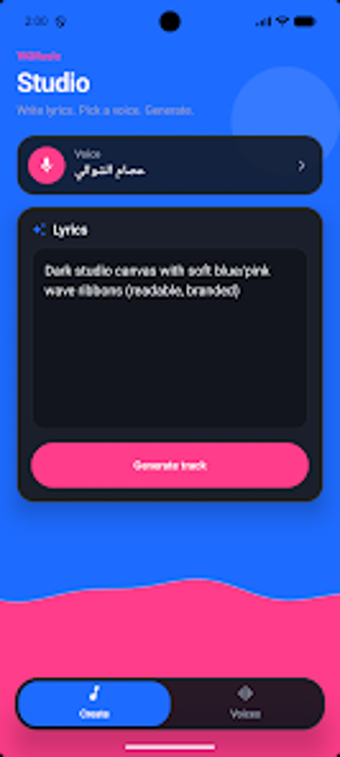
VK TTS, from Ayesha apps tech, converts written text into natural-sounding speech so you can listen rather than read. The app provides AI-powered synthesis with a simple "Type or Paste" interface, a dedicated Voices tab for previewing vocal profiles, and basic audio generation tools for voice content. It targets students, creators, and people with visual impairments who need quick, listenable output from plain text.

Unlock your creativity with Adobe Stock
Get 10 images or 1 video with a free trial
You can turn long-form text into listenable audio in seconds
The app focuses on converting written material into spoken output using AI-driven synthesis, which the developer markets as producing less robotic, more human-like speech. You work in a minimalist "Type or Paste" field, then generate audio with the built-in export tools. This setup suits scenarios where you want narrated articles, study notes, or short voiceovers without assembling a complex project.
Format choices and voice previews are organised for rapid selection
VK TTS places voice selection behind a dedicated Voices tab so you can preview different AI profiles before generating audio. Navigation is described as optimised for switching voices, and the app includes an in-app review prompt after generation. That approach helps you evaluate tonal differences quickly, useful when you need a specific narration style for social clips or accessibility reads.
The app is small and mobile-first but depends on online synthesis
Installation is compact, about 51 MB, which keeps it light on device storage and fast to install on Android devices. The app requires Android 8.0 or later and typically needs an internet connection for high-quality AI processing, so you should expect online dependence when you choose higher-fidelity voices. The design updates and splash-screen refresh indicate ongoing interface maintenance by the developer.
A practical gateway for listeners and casual creators, with an online trade-off
If you want a low-friction way to hear articles, study material, or short voice tracks, this app is a practical entry point that lowers the barrier to producing spoken content. It suits students and creators who prioritise speed and portability, though its reliance on online synthesis for higher-quality voices means you need an active connection for the best results.